Unsold Car Hauler
Lots of listings claim “unsold” car haulers, but it is hard to tell which ones are real deals versus costly problems. If you are shopping for a trailer or rollback, you need clear price anchors, inspection priorities, and paperwork rules before you travel, bid, or negotiate.
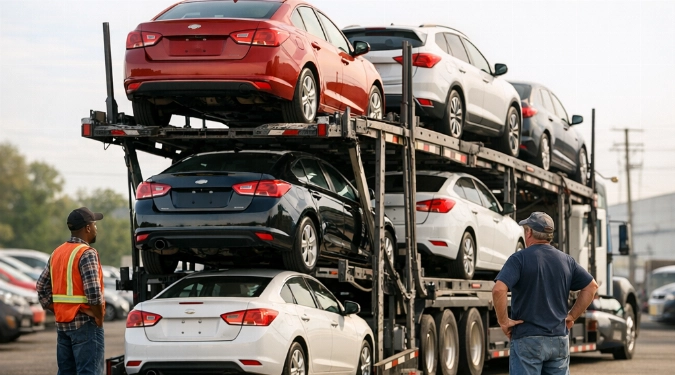
Learn where unsold car haulers actually come from and how sellers price them. Use a fast inspection checklist that catches hidden trailer problems. Compare realistic costs, financing, and paperwork so you can close a deal without regrets.
What “Unsold” Usually Means On A Car Hauler
“Unsold” is rarely mysterious. It usually means the unit did not meet a reserve, the buyer’s financing failed, or a dealer aged it out of inventory. It can also mean a carrier rotated equipment and sent it to sale. Each scenario affects price and risk.
Common Sources To Ask About
- Dealer overstock and model-year changeovers.
- Fleet rotation from auto transport carriers.
- Repo or lender remarketing after default.
- Municipal or utility surplus for flatbeds and tag trailers.
- Factory closeouts and canceled custom orders.
Where To Find Listings Without Wasting A Week
Start with places that can prove title status and sale terms. Then expand to local inventory once you know the specs you need. Search terms matter. Use the keyword Unsold Car Hauler Near Me once you have a shortlist and want drive-by inspections.
Places That Consistently Have Inventory
- Commercial auction platforms: Ritchie Bros., IronPlanet, and Manheim (commercial lanes).
- Heavy equipment classifieds: TruckPaper and Commercial Truck Trader.
- OEM and dealer networks for trailers and rollbacks.
- Regional fleet liquidation brokers.
Ask for the last DOT inspection report, if applicable. Ask for the VIN or serial number before you travel. Also ask whether the unit is sold “as-is, where-is.”
Benefits of Unsold Car Haulers
Purchasing an unsold car hauler can provide several advantages for buyers looking to maximize their investment:
- Cost Savings: Unsold car haulers are often priced lower than their sold counterparts, allowing buyers to acquire high-quality trailers at a reduced cost.
- Variety of Options: Buyers can find a diverse range of models and configurations, enabling them to select a hauler that best fits their specific needs.
- Potential for Negotiation: Sellers may be more willing to negotiate on the price or terms for unsold units, providing an opportunity for buyers to secure a better deal.
- Less Competition: The unsold status may indicate less interest from other buyers, allowing for a more straightforward purchasing process without the pressure of bidding wars.
- Inspection Opportunities: Buyers often have the chance to inspect unsold units more thoroughly, giving them a better understanding of the trailer’s condition before making a purchase.
Unsold Car Hauler Cost: Real Numbers By Type
Pricing swings with capacity, axle rating, deck length, and brake setup. Condition and paperwork matter more than paint. The ranges below assume roadworthy condition, no major structural repairs, and clean ownership documents.
- Open 3–4 car wedge trailer: $18,000 to $42,000.
- Open 5–7 car highway trailer: $35,000 to $85,000.
- Enclosed 2–3 car trailer: $28,000 to $70,000.
- Rollback tow truck with carrier bed: $35,000 to $95,000.
- Hotshot 2–3 car flatbed with ramps: $12,000 to $35,000.
Buyer fees at auctions often add $300 to $2,500. Transport can add $1.50 to $4.00 per mile if you cannot tow it home. New tires and a full brake service can run $800 to $3,500.
The Inspection Checklist That Saves You Thousands
Bring a flashlight, tape measure, tire gauge, and a magnet. Take photos of every corner and the underside. Spend extra time where steel meets steel.
Frame, Deck, And Welds
- Look for fresh undercoat hiding rust scaling.
- Check crossmembers for bends and cracked welds.
- Inspect dovetail and ramp hinges for ovaled holes.
Axles, Brakes, And Tires
- Match axle tags to the claimed GVWR.
- Check brake wiring, breakaway kit, and battery date.
- Measure tread and inspect sidewalls for weather checking.
- Look for uneven wear that signals bent axles.
Hydraulics And Electrical
- Cycle the winch, tilt, or slide functions under load if possible.
- Confirm all marker lights, stop lights, and turn signals.
- Check for splices and brittle insulation near the tongue.
Paperwork That Can Stop A Deal Cold
Get the VIN and verify it matches the title and plate. Confirm there are no liens, or get a lien release in writing. If it is a former fleet unit, ask for maintenance records. If it is a repo, confirm the seller can provide a transferable title.
How To Compare “For Sale” Units Like A Fleet Buyer
Use a simple scorecard. It keeps emotion out of the deal when you see an attractive paint job. Search the phrase Unsold Car Hauler For Sale only after you set these requirements.
- Capacity and usable deck length, not marketing “car count.”
- Axle rating, brake type, and tire size availability.
- Ramp angle and approach clearance for low cars.
- Winch rating and tie-down points per vehicle.
- Parts support and dealer availability for the brand.
Brands you will see often include Cottrell, Kaufman, Sun Country, Western, Big Tex, and Kentucky Trailer. Ask which components are standard. Axles and brake parts are easier when they are Dexter or Lippert.
Negotiation Moves That Actually Work
Negotiate on documented defects, not vague “market price.” Price the fix and show your math. Ask for a tire date code discount or a brake service credit. If the seller will not budge, ask for extra ramps, winch cable, or spare wheels.
FAQ
Can I finance an unsold unit?
Often, yes. Many lenders want photos, VIN, and a bill of sale. Some require an equipment appraisal for older units.
What is the fastest way to spot a bent frame?
Sight down the main rails from front to rear. Then measure corner-to-corner diagonals if the deck is rectangular. Uneven tire wear is another strong clue.
Is an auction “as-is” purchase always risky?
It is higher risk, but not random. Risk drops when you inspect in person and avoid units with missing tags, title gaps, or fresh paint undercoating.
References
- FMCSA: Trailer and commercial vehicle inspection guidance
- NHTSA: VIN basics and labeling information
- Ritchie Bros. Auctioneers: Buyer fees and auction terms
- TruckPaper: Trailer and equipment listing categories
Disclaimer: The information provided in this article is for educational and informational purposes only. It does not constitute professional advice. Readers should conduct their own research and consult with qualified professionals before making any decisions.