Lease To Own Mini Excavators
Monthly payments look simple until the contract adds fees, buyout math, and repair risk. If you need a mini excavator to start work now, lease-to-own can help, but only if the numbers and terms fit your jobs. This article is for operators comparing dealers, lenders, and used listings.
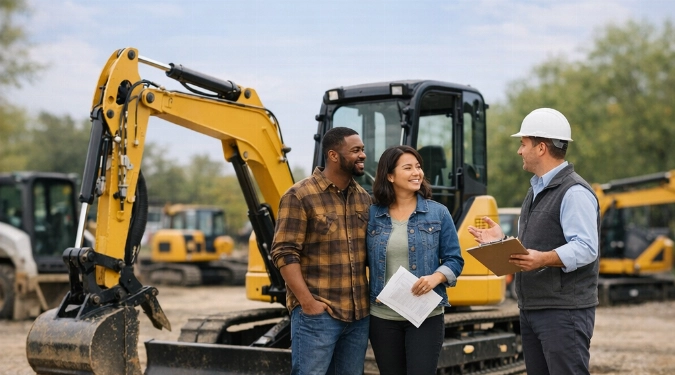
Start by matching machine size to your jobs and your trailer. Then learn the lease terms that actually change your total cost. This guide shows where to find legit offers, what numbers to request, and how to inspect a unit before you sign.
Benefits of Lease-To-Own Mini Excavators
Choosing a lease-to-own option for mini excavators offers several advantages that can support your business and project needs:
- Ownership Flexibility: At the end of the lease term, you have the option to purchase the equipment, providing a clear path to ownership without the upfront costs of buying outright.
- Lower Initial Investment: Lease-to-own arrangements typically require lower down payments compared to traditional purchasing, allowing you to allocate funds to other critical areas of your business.
- Tax Benefits: Lease payments may be tax-deductible as a business expense, which can lead to potential tax savings.
- Access to Newer Equipment: Leasing allows you to use newer models with the latest technology and features, improving efficiency and productivity on the job site.
- Predictable Budgeting: Fixed monthly payments help in budgeting, making it easier to forecast expenses over the term of the lease.
Know The Excavator Size You Actually Need
Lease terms look fine until the machine is wrong for the work. Mini excavators are usually grouped by operating weight. Common classes are 1–2 ton, 3–4 ton, and 5–6 ton.
For tight residential access, many crews target a 3–4 ton machine. It often fits through gates and still runs a real breaker. For heavier trenching, a 5–6 ton unit is steadier and lifts more.
Ask for these specs in writing: operating weight, digging depth, tail swing, and auxiliary flow. Aux flow matters if you will run a hammer or auger. Also confirm the coupler type, like pin-on or quick coupler.
How Lease-To-Own Contracts Are Structured
Most lease-to-own deals follow one of three structures. The structure decides who owns the machine and when.
$1 Buyout Lease
You pay a set monthly amount. You own the excavator at the end for $1. Payments are usually higher than other structures.
Fair Market Value Buyout
You can buy the excavator at the end for its appraised value. Monthly payments can be lower. Your end price is less predictable.
Stretch Lease
The term runs closer to the excavator’s useful life. Payments can be low. Buyout is often small, but details vary.
Request a sample amortization or payment schedule. Ask whether taxes are in the payment or billed separately. Confirm if insurance is required and who supplies it.
Realistic Payment Ranges And Total Cost
Lease To Own Mini Excavators Cost depends most on machine class, term length, and whether it is new or used. For a 3–4 ton unit, typical payments land in a tighter band than most ads suggest.
Used 3–4 ton machines often run about $900 to $1,650 per month on 36 to 60 months. New 3–4 ton machines often run about $1,250 to $2,300 per month on similar terms. Heavier 5–6 ton units commonly push about $1,800 to $3,400 per month.
Ask for the “total of payments” and the end-of-term purchase option. Add estimated wear items, like tracks and bucket teeth. Also budget delivery, which commonly runs $250 to $1,200 by distance.
Where To Find Legit Lease-To-Own Offers
Start with channels that can show service history and clear titles. Use multiple sources and compare terms, not just monthly numbers.
- Manufacturer finance arms and dealers that carry Kubota, Bobcat, CAT, John Deere, Takeuchi, and Yanmar.
- Independent equipment lenders that specialize in construction gear.
- Rental yards that rotate fleet units and offer rent-to-own credits.
- Large used equipment marketplaces that allow dealer verification.
- Local equipment auctions, but only if you can inspect and verify liens.
When you search Lease To Own Mini Excavators Near Me, filter for dealers that list serial numbers and hours. Ask for maintenance logs and any undercarriage measurements. If they cannot provide basics, move on.
What To Inspect Before You Sign
You are leasing a machine that must earn its payment. Do a quick field inspection even on “certified” units.
- Undercarriage: track wear, sprocket shape, and roller leaks.
- Hydraulics: cylinder drift, hose cracking, and wet fittings.
- Swing and boom: slop in pins, noisy swing motor, and cracked welds.
- Engine: cold start behavior, blow-by, and active fault codes.
- Hours vs condition: pedals, seat, and controls can reveal hard use.
Bring a grease gun and clean rags. Fresh grease pushing out dirty grease can reveal neglected pins. Take a short video of functions to document condition.
Questions That Prevent Bad Terms
Get answers in writing. Verbal promises disappear after delivery.
- Is there a prepayment penalty or early buyout formula?
- What fees exist: documentation, UCC filing, late fees, pickup?
- Who pays for major repairs during the term?
- Is there a usage cap on hours per year?
- Does the contract allow attachments, or require lender approval?
If you are comparing Lease To Own Mini Excavators For Sale listings, ask if “for sale” pricing matches the lease buyout. Some listings show cash price only.
Simple Next Steps Checklist
- Pick a weight class and minimum aux flow for your attachments.
- Get three written quotes with total of payments and buyout terms.
- Inspect the exact serial number, not a “similar unit.”
- Confirm insurance requirements and delivery timing.
- Keep a folder with the contract, condition photos, and service records.
FAQ
Can A Start-Up Qualify Without Long Time In Business?
Some lenders focus on bank statements and job history. A larger down payment can help. A co-signer is sometimes accepted for smaller amounts.
Is It Better To Lease New Or Used?
New units reduce downtime risk and may include warranties. Used units can lower total payments if hours are reasonable. Match the choice to your tolerance for repairs.
What Attachments Affect Approval?
High-cost tools like tiltrotators and mulchers can trigger extra review. Lenders may want separate serial numbers and values. Standard buckets and thumbs are usually straightforward.
References
- EquipmentWatch: Construction equipment values and market reports.
- Association of Equipment Manufacturers (AEM): Industry resources and equipment categories.
Disclaimer: The information provided in this article is for educational and informational purposes only. It does not constitute professional advice. Readers should conduct their own research and consult with qualified professionals before making any decisions.